What is a UGC Creator and How to Become One (+Examples)
You don’t need followers to get paid by brands. UGC creators earn by making content, not posting it. Here’s what UGC really is and how to become one step by step.


Not every creator wants to chase followers, trends, or viral fame — and good news, you don’t have to. Enter the UGC creator: someone who gets paid to make content without posting it on their own profile. No audience pressure. No algorithm anxiety. Just solid content that brands actually use. As social platforms get noisier, brands are betting on creators who can shoot, script, and sell — quietly. Here’s what a UGC creator really is, why brands love them, and how you can become one.
- A UGC creator makes content for brands without promoting it on their own profile
- Unlike influencers, UGC creators are paid for content, not reach or followers
- Brands prefer UGC because it feels authentic and performs well in ads
- You don’t need an audience to start—content quality matters most
- Becoming a UGC creator involves choosing a niche, building samples, creating a portfolio, and pitching brands
- Consistency and professionalism help turn UGC into long-term income
What is a UGC Creator?
Unlike influencers, UGC creators aren’t paid for their audience size or reach. They’re paid for their ability to make content feel natural, relatable, and effective. If you can explain a product clearly, look comfortable on camera, and understand what makes people stop scrolling, you already have the core skills brands look for in a UGC creator.
UGC Creator vs Influencer: What’s the Difference?
At first glance, UGC creators and influencers may seem similar — they both create content for brands. The difference lies in where the value comes from. Influencers are paid for access to their audience. UGC creators are paid for the content itself. An influencer’s reach and engagement drive the partnership, while a UGC creator’s skill behind the camera is what matters most.
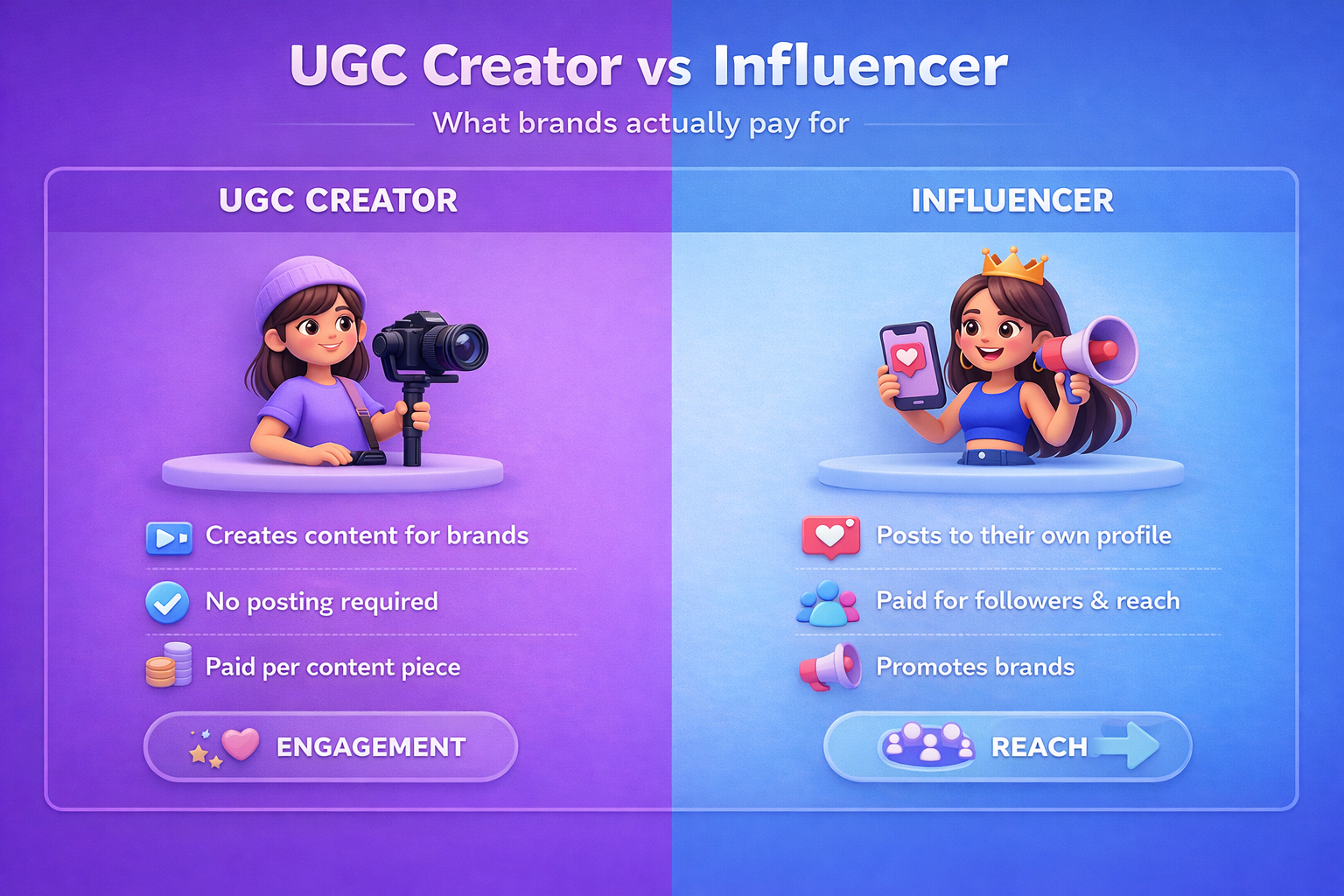
Another key difference is distribution. Influencers publish branded content on their own profiles, often tied to performance metrics like views or clicks. UGC creators deliver content directly to brands, which then repurpose it across ads, social media, and websites. In short: influencers sell influence, UGC creators sell assets.
Why Brands Are Investing More in UGC
Brands aren’t shifting to UGC because it’s trendy — they’re doing it because it performs. As social feeds get more crowded and polished ads get easier to ignore, UGC-style content feels more natural and trustworthy. It looks like something a real person would post, not a brand trying to sell.
What Types of Content Do UGC Creators Make?
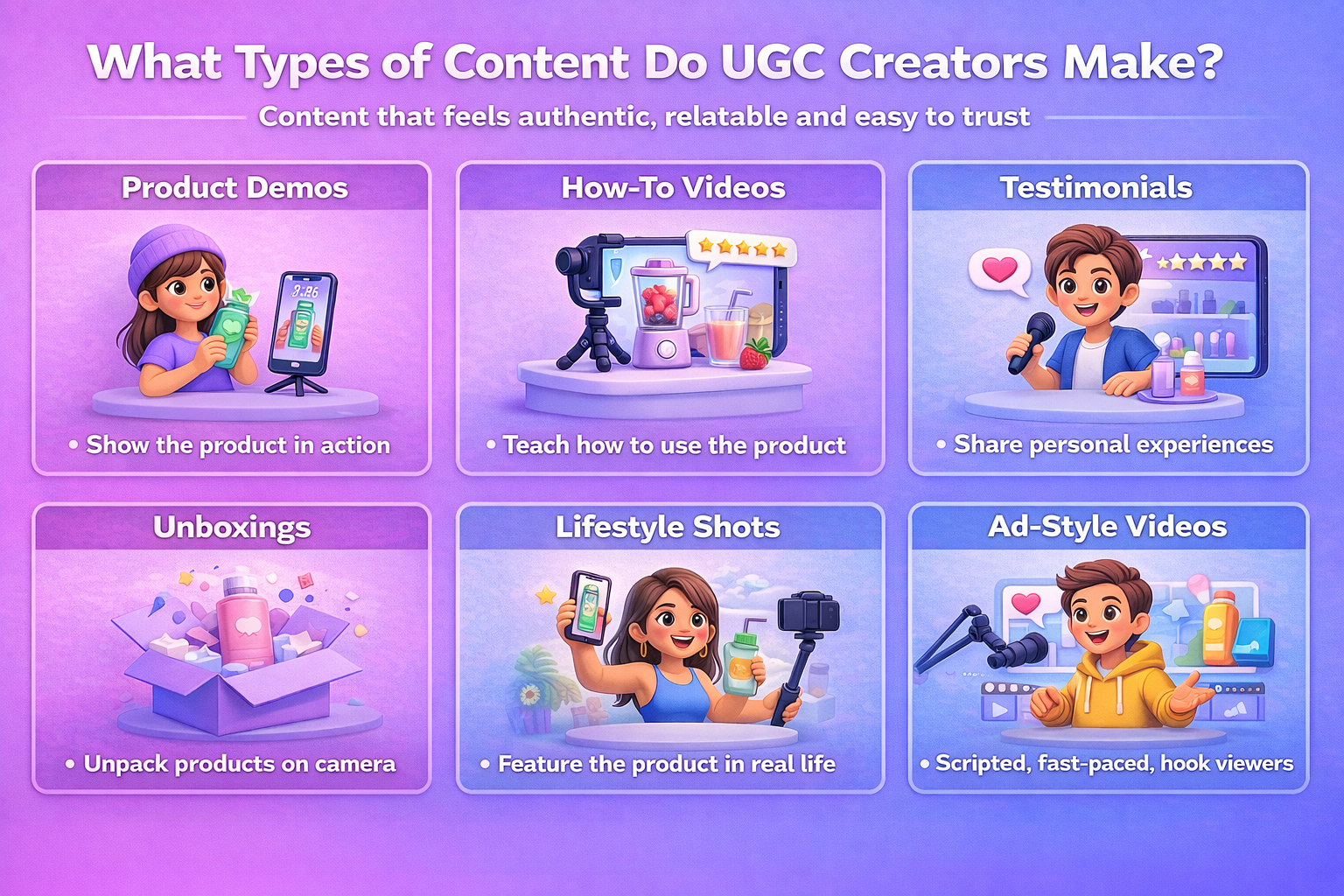
UGC creators produce the kind of content brands need to sell online. Most of it is short, direct, and designed to blend seamlessly into social feeds or paid ads. Think less “high-production commercial” and more content that feels natural, relatable, and easy to trust.
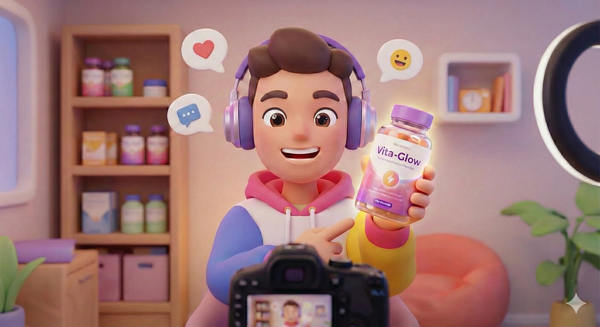
Common UGC formats include product demos, how-to videos, testimonials, unboxings, and lifestyle shots that show a product in real use. Many creators also produce scripted ad-style videos, voiceovers, and problem-solution clips tailored for platforms like Instagram Reels, TikTok, and YouTube Shorts. The goal isn’t virality — it’s clarity, credibility, and conversion.
Do You Need Followers to Become a UGC Creator?
Short answer: No.
UGC creators aren’t hired for their audience—they’re hired for their ability to create content that feels real and converts. Brands care more about how clearly you explain a product, how natural you look on camera, and whether the content can be reused across ads and social channels.
While some brands may optionally ask for posting rights, follower count is rarely a deciding factor. For most UGC deals, quality, clarity, and consistency matter far more than reach. If you can make content people trust, you can be a UGC creator—followers or not.
Also read: What is a Micro Influencer? The Ultimate Guide to Influencer Marketing's Best-Kept Secret
How to Become a UGC Creator (Step by Step)
You don’t need a viral post to get started. You need a plan—and these steps show exactly how to build one.
Step 1: Pick a Clear Niche (And Why It Matters)
One of the biggest mistakes new UGC creators make is trying to create content for everyone. Brands don’t hire “general creators”—they hire people who already understand their category, audience, and product type.
Choosing a niche helps brands immediately see where you fit. A skincare brand wants to know you understand skincare. A fitness app wants to see that you can explain workouts or routines naturally on camera. When your content aligns with a specific category, brands trust you faster.
Your niche doesn’t have to be permanent. Start with what you already use, enjoy, or understand — beauty, food, fitness, fashion, tech, apps, or home products. As you gain experience, you can always expand. The goal at this stage is clarity, not perfection.
Step 2: Create UGC-Style Sample Content (Even Without Brand Deals)
You don’t need permission from a brand to start creating UGC. In fact, most UGC creators build their portfolios before they land their first paid deal. Brands aren’t looking for logos or past partnerships — they’re looking for proof that you can create content that feels natural and usable.
Start by using products you already own. Film short videos that show how a product works, how you use it in real life, or why you like it. Think product demos, tutorials, or simple “problem–solution” clips. The goal is to make the content look like something a brand could run as an ad tomorrow.
Focus on clarity over perfection. Good lighting, clear audio, and confident delivery matter more than fancy edits. Avoid tagging brands or claiming partnerships—these are practice pieces meant to showcase your skills. Once you have a few strong samples, you’ll be ready to package them into a portfolio.
Step 3: Build a Simple UGC Portfolio
Once you have a few strong sample videos, you need a place to show them. Your portfolio doesn’t need to be fancy—its job is to make it easy for a brand to say yes.
Start with a simple format: a Notion page, Google Drive folder, or a basic website. Include 3–6 of your best UGC-style videos, organized by format (product demo, testimonial, tutorial). Brands should be able to understand your style within seconds.
Add a short introduction at the top. Mention your niche, the type of content you create, and the platforms your content is suited for (Instagram Reels, TikTok, ads, etc.). Keep it concise and skimmable. A clean, focused portfolio builds trust—and trust is what gets you hired.
Step 4: Learn the Filming & Editing Basics Brands Expect
You don’t need a professional studio to be a UGC creator, but brands do expect content that looks clean and usable. Most UGC is shot on a phone—what matters is how you use it. Natural lighting, a steady frame, and clear audio go a long way in making your content look professional.
Keep your setup simple. Face a window for light, film in a quiet space, and use a basic tripod or stable surface. When editing, focus on tight cuts, captions for clarity, and a strong opening hook. Avoid over-editing—UGC works best when it feels natural, not overly polished.
Brands want content they can drop straight into ads or social feeds. If your video is clear, well-lit, and easy to understand without sound, you’re already meeting most brand requirements.
Also read: How to Create an AI Instagram Influencer and Make Your First $1,000: A Beginner-Friendly Guide
Step 5: Set Your Rates and Understand Usage Rights
Before you start pitching to brands, it’s important to know what you’re charging—and what you’re being paid for. As a UGC creator, brands usually pay per content piece, not per post or performance. Rates can vary widely based on experience, content type, and how the brand plans to use the content.
Equally important is usage rights. Brands may want to use your content organically, in paid ads, or across multiple platforms. The broader the usage, the higher your rate should be. Always clarify where and for how long the content will be used before agreeing to a price.
Many new UGC creators underprice themselves just to land a deal. While it’s okay to start modestly, make sure your rates reflect the value of reusable, ad-ready content.
Example UGC Rates & Usage Scenarios-
| Content Type | Usage Rights | Typical Price Range |
|---|---|---|
| 1 short-form video (15–30s) | Organic social only | $100–$200 |
| 1 short-form video (15–30s) | Paid ads (3–6 months) | $200–$400 |
| 3 UGC videos bundle | Organic + ads | $500–$900 |
| Product photos (3–5 images) | Website + social | $150–$300 |
| Testimonial / review video | Paid ads (12 months) | $300–$600 |
| Monthly UGC retainer (8–12 assets) | Multi-platform usage | $1,000–$3,000 |
Step 6: Pitch to Brands (How to Reach Out the Right Way)
Once your portfolio and rates are ready, it’s time to reach out to brands. Pitching as a UGC creator is different from influencer outreach—you’re not selling your audience, you’re selling content that brands can use.
Start by identifying brands that already run ads or post UGC-style content. Reach out via email or Instagram, and keep your message short and specific. Introduce yourself, mention your niche, link your portfolio, and clearly state the type of UGC you can create for them. Brands don’t want long stories—they want to know how your content helps their marketing.
Focus on value, not desperation. Avoid phrases like “I’d love to collaborate.” Instead, position yourself as a solution: someone who can create ad-ready, authentic content that fits their brand voice.
Step 7: Join UGC Platforms and Marketplaces
UGC platforms make it easier for brands and creators to find each other—especially when you’re just starting out. Instead of cold-pitching every brand, these marketplaces list campaigns where brands are actively looking for UGC creators.
On most platforms, you create a profile, upload your portfolio, set your rates, and apply to briefs that match your niche. Some platforms also handle contracts and payments, which can be helpful early on. While competition can be high, these platforms are a good way to land your first few projects and build confidence.
That said, platforms shouldn’t be your only strategy. The most consistent UGC creators eventually combine marketplace work with direct brand outreach, which gives them more control over pricing and long-term partnerships.
Billo – Focuses on short-form UGC videos for ads. Beginner-friendly.
JoinBrands – Brands post briefs; creators apply directly.
Trend – Strong on lifestyle, beauty, and product UGC.
Insense – Used by DTC brands for UGC-style ads.
Aspire – More competitive, but good for scaling.
Step 8: Improve, Repeat, and Scale Your UGC Work
Landing your first UGC project is just the beginning. What helps creators grow is how they deliver — meeting deadlines, following briefs closely, and making the brand’s job easier. Brands remember creators who are reliable and easy to work with, and that’s what leads to repeat work.
As you gain experience, review what performs well. Notice which hooks, formats, or styles brands ask for again. Over time, you can raise your rates, offer bundles or monthly retainers, and specialize in high-demand formats like ad creatives or testimonials. Many successful UGC creators eventually scale by working with multiple brands on an ongoing basis rather than chasing one-off projects.
At this stage, UGC stops being a side experiment and starts becoming a system.
Also read: How to Become a Full-Time YouTube Creator in 2026
Not an Influencer? Still Get Paid.
UGC creation offers a different path in the creator economy — one that prioritizes skill over scale. You don’t need a massive following or viral content to get started. What matters is your ability to create content that feels authentic, clear, and usable for brands.
As more brands shift toward performance-driven marketing, the demand for UGC creators continues to grow. Whether you’re exploring it as a side income or building toward a full-time role, UGC rewards consistency, clarity, and professionalism. Start small, improve with every project, and treat it like a business — not a trend.
FAQs
What is a UGC creator?
A UGC (User-Generated Content) creator is someone who creates content for brands—such as videos, photos, or testimonials—without posting it on their own social media. Brands use this content in ads, on their websites, or across social platforms. UGC creators are paid for content creation, not for followers or reach.
How do I become a UGC creator?
To become a UGC creator, choose a niche, create sample content using products you already own, and build a simple portfolio. Learn basic filming and editing, set clear rates, and pitch brands directly or apply through UGC platforms. You don’t need a large following to get started.
Do UGC creators get paid?
Yes, UGC creators get paid for creating content for brands. Payment is usually per content piece or as part of a package or monthly retainer. Rates vary based on experience, content type, and usage rights, especially if the content is used in paid ads.
How do I get paid as a UGC creator?
UGC creators get paid by charging brands for content creation. This can include one-off videos, photo bundles, or ongoing retainers. Payments are typically handled via direct brand contracts or UGC platforms, and rates increase when brands request paid ad or long-term usage rights.
How many followers do I need to become a UGC creator?
Zero. You don’t need any followers to become a UGC creator.
Brands hire UGC creators for their ability to create authentic, ad-ready content—not for audience size or reach. What matters is how well you can explain a product on camera, how natural the content feels, and whether it can be reused across ads and brand channels. Followers are optional, not required.