What is a Micro Influencer? The Ultimate Guide to Influencer Marketing's Best-Kept Secret
Micro influencers with 10K-100K followers deliver 3x higher engagement than celebrities. Discover why brands like Glossier and Gymshark are choosing authentic voices over mass reach.

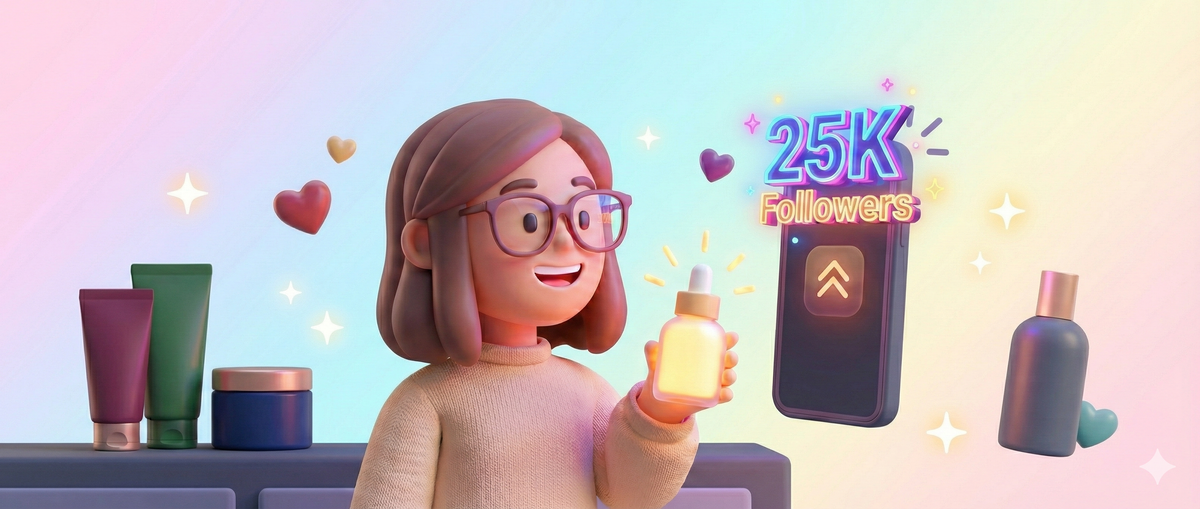
Consumers don't trust ads anymore — they trust people. And not just any people: they trust creators who feel like friends, not billboards. This is why micro influencers are outperforming celebrity endorsements in both engagement and conversion.
Micro influencers receive about 60% more engagement relative to their audience size than big-name influencers, proving that authenticity beats reach every time. Glossier understood this early, building a $1.8 billion brand by 2019 through partnerships with everyday beauty enthusiasts rather than celebrities — a strategy that transformed them into a case study for community-driven growth.
In this guide, we'll break down what micro influencers are, why brands are investing heavily in them, and how to choose the right ones for your campaigns. Whether you're new to influencer marketing or optimizing your strategy, understanding the power of micro influencers is no longer optional — it's essential.
What Is a Micro Influencer?
Unlike celebrities or mega influencers who broadcast to millions, micro influencers operate within specific niches — whether that's sustainable fashion, fitness for busy parents, or local food scenes — where their opinions carry real weight.
What sets micro influencers apart isn't their follower count; it's their relationship with their audience. They respond to comments, have genuine conversations, and maintain a level of accessibility that larger creators can't. This intimacy translates directly into trust. When a micro influencer recommends a product, their followers see it as advice from a knowledgeable peer, not a paid advertisement from someone out of reach.
The numbers back this up. While a celebrity might have millions of followers, their engagement rates hover around 1-2%. Micro influencers, on the other hand, regularly see engagement rates of 3-6% or higher because their audiences are genuinely invested in what they share. For brands, this means fewer impressions but far more meaningful interactions and ultimately, better conversion rates. In influencer marketing, relevance has proven more valuable than reach.
How Many Followers Does a Micro Influencer Have?
While the standard definition places micro influencers between 10,000 and 100,000 followers, the reality is more nuanced depending on the platform.
On Instagram, a micro influencer typically has 10,000 to 100,000 followers—the classic benchmark.
TikTok's algorithm-driven nature means creators with 5,000 to 50,000 followers can still wield significant influence if their content consistently goes viral.
LinkedIn operates differently; even 5,000 to 25,000 connections can qualify someone as a micro influencer in B2B spaces, where audience quality trumps quantity.
YouTube sits at the higher end, with 10,000 to 100,000 subscribers defining the micro tier, largely because building a subscriber base requires more sustained effort than gaining followers elsewhere.
Types of Influencers in Influencer Marketing
Not all influencers are created equal, and brands have learned to categorize creators based on follower count, reach, and engagement patterns. This segmentation helps marketers match the right creator type to specific campaign goals.
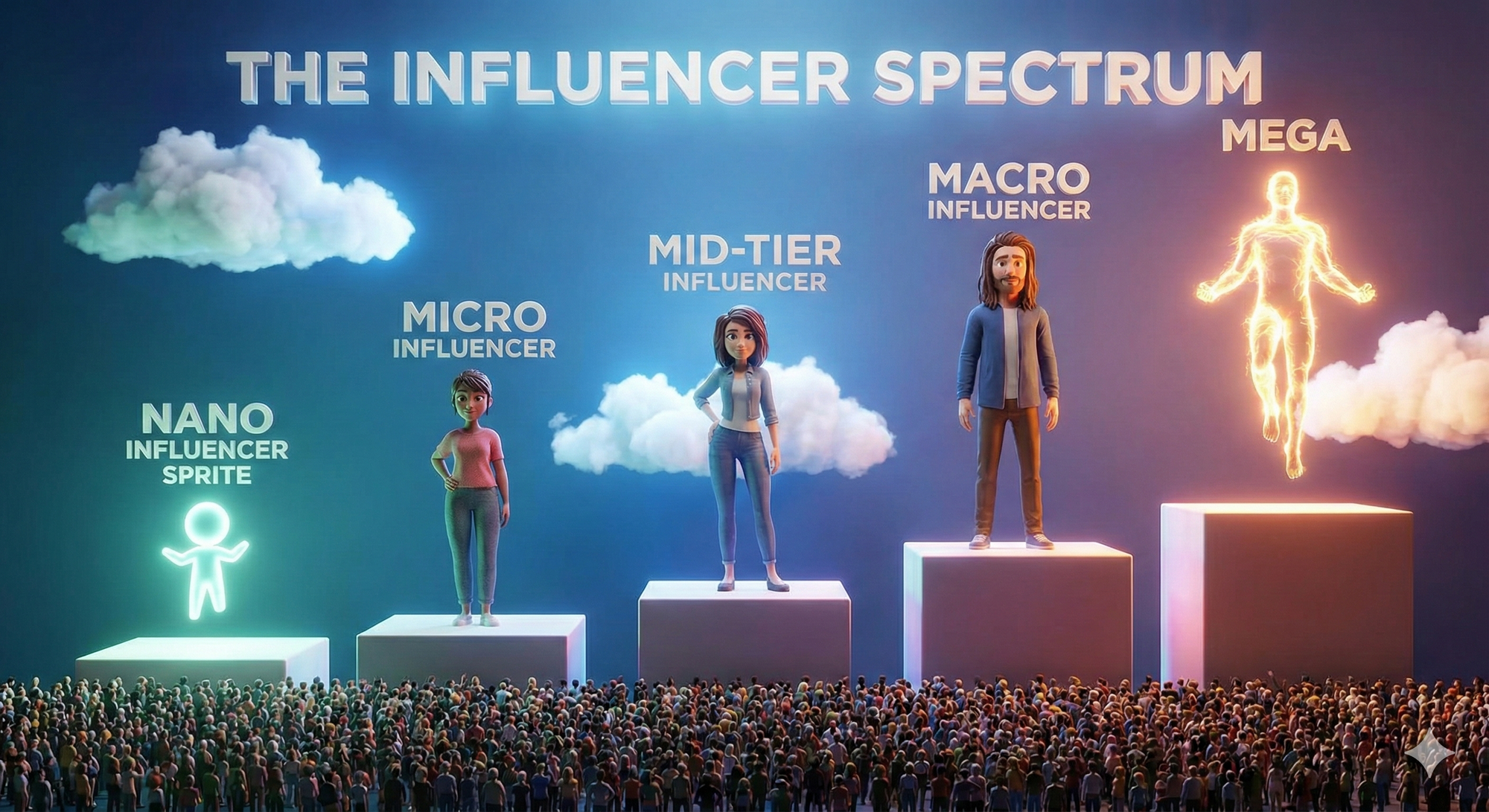
The influencer landscape typically breaks down into five tiers:
- nano influencers (1,000-10,000 followers),
- micro influencers (10,000-100,000 followers),
- mid-tier influencers (100,000-500,000 followers),
- macro influencers (500,000-1 million followers), and
- mega influencers (1 million+ followers).
Each tier serves different purposes in a marketing strategy.
Why does this segmentation matter?
Because a beauty brand launching in a new market needs different creator support than an established tech company announcing a product update.
Nano influencers excel at hyper-local community building, while mega influencers drive mass awareness.
Micro influencers sit in the sweet spot — offering meaningful reach without sacrificing the authenticity and engagement that makes influencer marketing effective.
Understanding these categories helps brands allocate budgets strategically and set realistic performance expectations.
Micro Influencer vs Macro Influencer: Key Differences
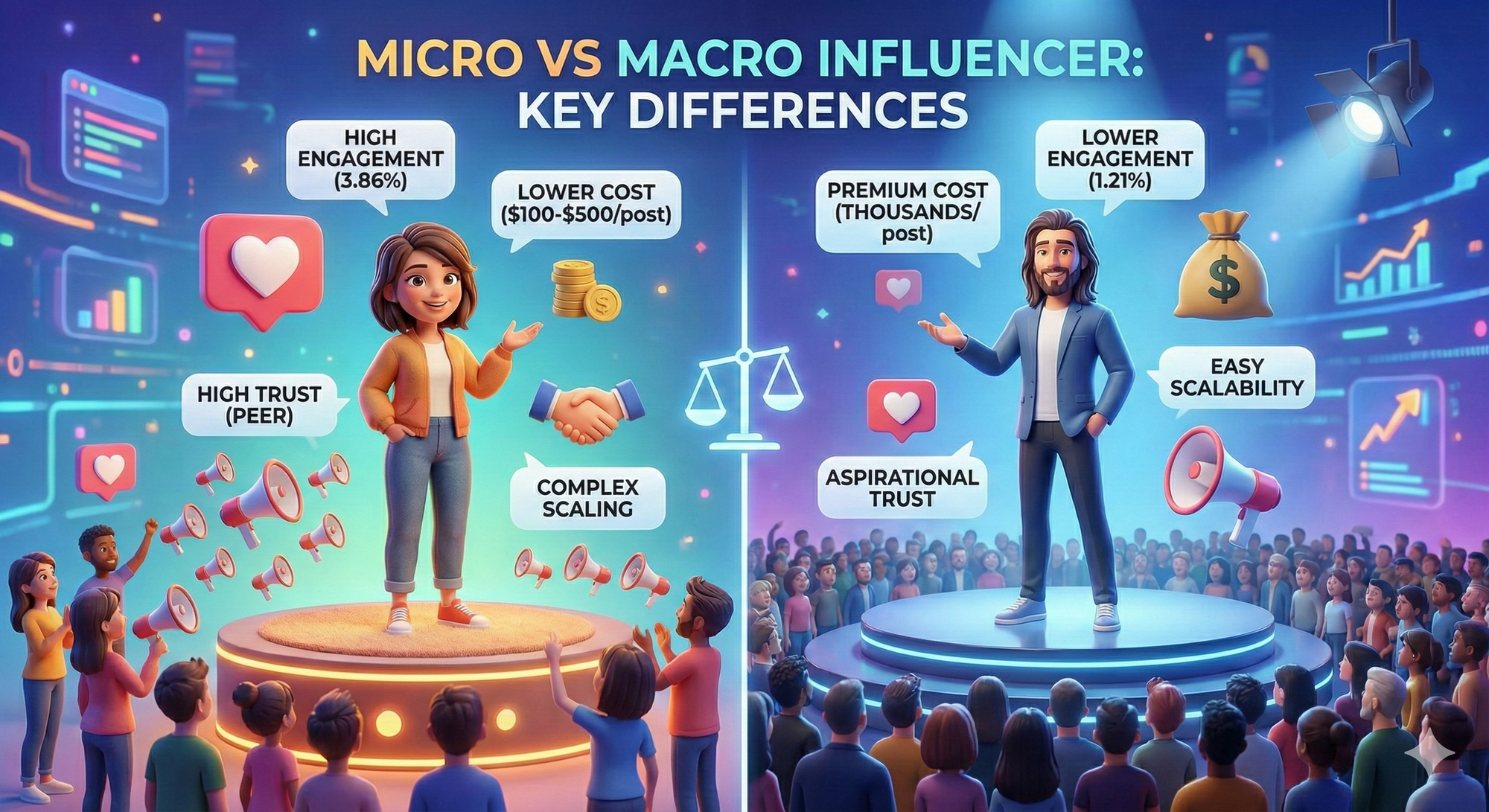
The debate between micro influencers and macro influencers isn't about which is better — it's about which serves your campaign goals. Micro influencers typically have 10,000 to 100,000 followers, while macro influencers sit in the 500,000 to 1 million range. But the differences between these two tiers run deeper than follower count alone.
Engagement Rates:
This is where micro influencers dominate. While macro influencers average around 1.21% engagement on Instagram, micro influencers maintain engagement rates of 3.86% — more than three times higher.
Their smaller audiences mean more meaningful interactions: followers who actually read captions, watch stories to the end, and click through to learn more.
Cost and ROI:
Macro influencers command premium rates, often charging thousands per post based on their reach. Micro influencers typically charge $100-$500 per post, making them accessible for smaller brands or those running multi-creator campaigns. The ROI often favors micro creators because their audiences convert at higher rates despite lower impressions.
Audience Trust:
Macro influencers inspire aspiration; micro influencers inspire trust. A macro influencer's audience knows they're watching a professional content creator with dozens of brand deals. A micro influencer's followers see them as a knowledgeable peer whose recommendations feel genuine rather than transactional.
Campaign Scalability:
Here's where macro influencers have the advantage. One macro creator can deliver 500,000 impressions in a single post. Achieving the same reach with micro influencers requires coordinating 10-20 creators, which demands more management effort.
For brand awareness blitzes, macro influencers simplify execution. For targeted conversions in specific niches, micro influencer networks outperform despite the coordination complexity.
The smartest brands don't choose one over the other — they blend both strategically based on campaign objectives.
Also read: How to Create an AI Instagram Influencer and Make Your First $1,000: A Beginner-Friendly Guide
Why Brands Choose Micro Influencers for Influencer Marketing
The shift toward micro influencers isn't a trend — it's a strategic recalibration based on performance data. Brands are discovering that smaller audiences often deliver bigger results.
Higher Engagement Rates:
The numbers don't lie. Micro influencers consistently achieve engagement rates around 3.86% on Instagram, significantly outperforming their larger counterparts.
This isn't just vanity metrics — higher engagement translates to more saves, shares, and click-throughs. When a micro influencer posts about your product, their audience actually pays attention.
Cost-Effective Campaigns:
Budget efficiency is compelling. For the cost of one macro influencer post, brands can partner with 10-15 micro influencers, diversifying their message across multiple niche communities.
This approach not only stretches marketing budgets but also reduces risk — if one partnership underperforms, nine others are still driving results. Many micro influencers also accept product exchanges or modest fees, making them accessible to startups and small businesses that can't compete for celebrity partnerships.
Stronger Audience Alignment:
Micro influencers build communities around specific passions — sustainable fashion, CrossFit for parents, budget travel in Southeast Asia. This specificity means brands can target exactly who they need to reach.
A vegan protein brand partnering with a plant-based nutrition micro influencer reaches an audience already primed to care about their product, unlike a macro influencer's broad, diverse following.
Easier Long-Term Partnerships:
Micro influencers are more accessible, responsive, and invested in partnerships that align with their personal brand. They're building their own careers and understand the value of consistent, authentic collaborations.
This makes them ideal for ambassador programs where sustained advocacy matters more than one-off viral moments. The relationship feels less transactional and more collaborative — exactly what modern audiences can detect and appreciate.
How to Find and Choose the Right Micro Influencers for Your Brand
Finding the right micro influencers isn't about chasing follower counts. It's about identifying creators whose audience already trusts them — and would trust your brand by extension.
1. Start with audience alignment, not reach
The most effective micro influencer campaigns begin with relevance. Look at who the creator speaks to, not how many people follow them. Their audience demographics, interests, and pain points should closely match your ideal customer profile.
A skincare brand targeting eco-conscious millennials needs a micro influencer whose followers actively care about clean beauty and sustainability—not just someone who occasionally posts about skincare. Check their audience insights: What's the age range? Where are they located? What other accounts do they follow? Request media kits or use influencer platforms like AspireIQ or Upfluence to access detailed demographic data.
A smaller, highly aligned audience will always outperform a larger, loosely connected one. When 80% of a creator's 15,000 followers match your target customer, you've found relevance that no macro influencer's scattered audience can replicate.
2. Evaluate engagement quality, not just engagement rate
High engagement numbers mean little if interactions feel generic. A 5% engagement rate sounds impressive until you realize it's all fire emojis and "love this!" comments. Look deeper:
- Are comments thoughtful and specific? Do followers share personal stories or ask detailed questions?
- Does the creator reply and engage back? Active conversations signal genuine community.
- Do followers ask for recommendations or advice? This indicates the audience values the creator's opinion.
3. Check content consistency and brand fit
Review the last 30–60 days of content. Strong micro influencers:
- Post consistently — ideally 3-5 times per week across platforms
- Maintain a clear niche with focused subject matter
- Have a recognizable voice and point of view that sets them apart
Does their aesthetic match your brand's visual identity? If you're a minimalist brand, a creator with chaotic, maximalist content creates cognitive dissonance. But brand fit goes beyond visuals — it's about values and tone. A creator who jokes about impulse buying won't authentically promote your slow-consumption sustainability message.
If their content style or values feel misaligned with your brand, the partnership will feel forced to the audience. And audiences can always tell when something's off.
4. Assess authenticity and past brand partnerships
Scroll through previous collaborations. The best micro influencers:
- Work with brands sparingly — one partnership per 8-10 organic posts is healthy
- Integrate promotions naturally into their content, not as obvious ads
- Avoid sounding scripted or overly sales-driven
Look at how they disclose partnerships. Are they transparent with #ad or #partner tags? Transparency builds trust. Also notice if their sponsored content performs differently — do engagement rates drop significantly on branded posts? That's a red flag that their audience tunes out when they promote products.
If every other post is an ad, credibility drops — along with conversion potential. A micro influencer who's too commercial has essentially become a billboard, not a trusted voice.
Also read: How to Become a Full-Time YouTube Creator in 2026
5. Use manual discovery alongside tools
You don't always need a platform to find great micro influencers. Many strong creators are discoverable through:
- Relevant hashtags: Search niche tags like #ethicalfashionblogger or #plantbasedathlete
- Comment sections on niche posts: See who's contributing thoughtful insights
- Community groups and newsletters: Reddit, Facebook groups, and Substack communities often surface passionate creators
- Tagged content from existing customers: Your best brand advocates might already be tagging you
For scaled discovery, influencer marketing platforms help. Tools like Creator.co, Aspire (formerly AspireIQ), Upfluence, and Traackr offer searchable databases filtered by follower count, engagement rate, audience demographics, location, and content niche. These platforms also provide historical performance data and fraud detection to identify fake followers.
Heepsy and HypeAuditor are great for analyzing audience authenticity—they'll flag suspicious engagement patterns or bot followers. For B2B brands, LinkedIn's Creator Mode and Favikon help identify thought leaders in specific industries.
6. Think long-term, not transactional
The most successful brands don't treat micro influencers as one-off media buys. They build ongoing relationships. Long-term partnerships help creators speak more genuinely about your product — and audiences can sense the difference between a single sponsored post and sustained advocacy.
Consider structuring ambassador programs where micro influencers receive regular product shipments, exclusive access to launches, or recurring compensation in exchange for consistent (but not overwhelming) brand mentions. This could mean one dedicated post per month plus organic stories when they genuinely use your product.
Brand Success Stories: Micro Influencer Campaigns That Worked
Real results speak louder than theory. Here are brands that turned micro influencer partnerships into measurable business impact.
Daniel Wellington: From Startup to $200M+ Brand
The watch brand sent free product and discount codes to thousands of micro influencers, resulting in revenue surging 214% within a year and Instagram followers jumping from 100,000 to 4 million.
Daniel Wellington's strategy was simple but brilliant: identify style-conscious micro influencers, gift them a watch with a personalized discount code, and let them organically integrate the product into their content.
The campaign worked because it didn't feel like advertising — it looked like friends sharing a discovery. This approach transformed Daniel Wellington from an unknown Swedish startup into a globally recognized brand, proving that strategic micro influencer partnerships can build brands from scratch.
Gymshark: Building a Billion-Dollar Fitness Empire
Gymshark scaled by investing in long-term micro-influencer partnerships across YouTube and Instagram, with 60% of web traffic coming from influencers. Rather than one-off sponsored posts, Gymshark created an athlete ambassador program where micro influencers became genuine brand advocates. They wore Gymshark apparel in every workout video, creating thousands of authentic touch points with fitness enthusiasts.
Today, Gymshark is valued at over $1.3 billion. The brand understood early that fitness micro influencers — personal trainers, yoga instructors, CrossFit enthusiasts — had the exact audiences they needed to reach, and invested in relationships rather than transactions.
St. Pierre Bakery: Seasonal Campaigns That Scale
St. Pierre recruited 30 influencers for each of two campaigns — summer grilling and holiday treats. The summer campaign reached 1.7+ million people and generated over 25,000 engagements, while the holiday campaign achieved 3.3+ million reach and a 3.2% engagement rate on Instagram, with one campaign hitting a CPM of just $0.21.
By focusing campaigns around specific use cases (grilling season, French toast for holidays), St. Pierre gave micro influencers clear content angles that felt natural. The low CPM demonstrates how cost-effective micro influencer campaigns can be compared to traditional advertising.
What these success stories share: tight audience targeting, authentic content integration, and a willingness to work with multiple micro influencers rather than betting everything on one large creator. The brands that win with micro influencers understand they're not buying reach — they're buying trust.
Are Micro Influencers the Future of Influencer Marketing?
The future of influencer marketing isn't about choosing between micro and macro creators — it's about understanding where consumer behavior is heading. And every signal points toward smaller, more authentic communities winning the trust game.
The Shift from Reach to Relevance
Traditional advertising metrics are dying. Brands used to chase impressions and follower counts because those numbers felt safe and quantifiable. But audiences have grown sophisticated—they scroll past ads without seeing them and trust traditional marketing less than ever.
Micro influencers thrive in this environment because they've never been about scale — they've been about depth. A fitness micro influencer with 30,000 followers who responds to every DM builds something macro creators can't replicate: genuine relationships. As platforms become more saturated and audiences more skeptical, this intimacy becomes the scarce resource brands need.
The Rise of Niche Communities
The internet is fragmenting into countless micro-communities, each with its own values and trusted voices. From cottagecore enthusiasts to sustainable pet owners, these communities are where purchasing decisions actually happen. Micro influencers are the native leaders of these spaces.
Platform algorithms are accelerating this trend. TikTok's For You Page doesn't prioritize follower count — it prioritizes engagement. A creator with 8,000 followers can go viral if their content resonates. Instagram increasingly favors content from accounts users actively engage with over celebrity posts they passively scroll past. The platforms themselves are built to elevate micro influencers.
Why Micro Influencers Are Central to the Future
Several trends cement micro influencers as essential:
Marketing teams are increasingly accountable for ROI, not vanity metrics. When micro influencer audiences convert at 8% while macro influencers convert at 0.5%, budget decisions become obvious. Brands are also moving toward ongoing ambassador programs rather than one-off campaigns — and micro influencers are ideal for long-term partnerships.
The future isn't "all micro, no macro." Celebrities still have roles in awareness campaigns and cultural moments. But the strategic center of gravity is shifting. Micro influencers aren't the future despite their smaller audiences—they're the future because of them.
The Micro Revolution: Why Smaller Voices Are Winning the Influence Game
Influencer marketing has come full circle. It started with everyday people sharing genuine recommendations, evolved into celebrity endorsements and million-dollar deals, and is now returning to what always worked: real people talking to real people.
Micro influencers represent more than a marketing tactic—they're proof that authenticity scales better than reach. With engagement rates of 3.86% compared to mega influencers' 1.21%, the data confirms what audiences have been saying all along: they trust voices that feel accessible, not aspirational billboards.
The brands winning today—from Glossier's billion-dollar beauty empire to Gymshark's fitness revolution—didn't chase the biggest names. They built communities through hundreds of micro partnerships, understanding that trust compounds when authentic voices advocate for your brand over time.
As platforms prioritize engagement over follower counts and consumers grow increasingly skeptical of traditional advertising, micro influencers aren't just relevant—they're essential. In a world drowning in content, the influencers who win aren't the ones shouting loudest. They're the ones their audience actually wants to hear from.
FAQs-
What is the difference between a micro influencer and a macro influencer?
The primary difference is follower count and engagement. Micro influencers have 10,000 to 100,000 followers with engagement rates around 3.86%, while macro influencers have 500,000 to 1 million followers with engagement rates around 1.21%. Micro influencers typically build deeper audience relationships and charge $100-$500 per post, while macro influencers command premium rates in the thousands but offer broader reach for awareness campaigns.
How much do micro influencers charge for sponsored posts?
Most micro influencers charge between $100-$500 per post, though rates vary based on platform, niche, engagement quality, and content deliverables. Many micro influencers, especially those building their portfolios, are also open to product exchanges or affiliate commission structures. The cost-effectiveness compared to macro influencers makes it possible for brands to work with multiple micro creators for the price of one larger influencer.
Are micro influencers better than celebrity influencers?
Not better — different. Micro influencers excel at driving conversions, building trust within niche communities, and delivering strong ROI on limited budgets. Celebrity influencers work best for mass awareness campaigns, cultural moments, and aspirational brand positioning. The most effective strategies blend both: celebrities for reach and credibility, micro influencers for targeted engagement and conversion.
How do I find micro influencers in my niche?
Start with manual discovery using relevant hashtags, checking who engages in your industry's comment sections, and looking at who your existing customers tag. For scaled discovery, use influencer platforms like AspireIQ, Upfluence, Creator.co, or Traackr, which offer searchable databases filtered by follower count, engagement rate, niche, and demographics. Always vet candidates manually by reviewing their content, engagement quality, and past partnerships before reaching out.